(305)-753-8214
Home – Private Pilot License
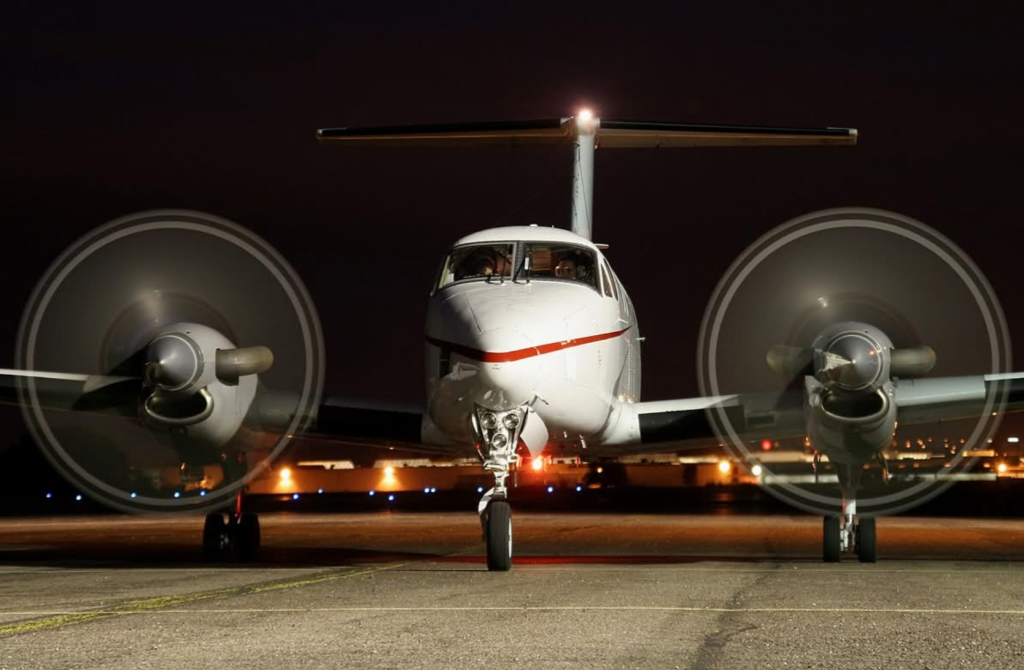
Our multi engine training course in Miami is designed for pilots ready to step into more advanced aircraft and expand their opportunities. Through focused multi engine training in Miami, you will learn how to safely operate twin engine aircraft and handle complex systems with confidence.
To begin your multi engine add-on rating course, you must already hold at least a single engine private pilot certificate. Training includes a minimum of three hours of dual instruction in a multi engine aircraft within 60 days prior to your practical exam for initial certificates. This hands on multi engine course prepares you for real world performance, engine management, and emergency procedures.
The outcome of your check ride depends on your current certificates. For example, if you hold a single engine private certificate and complete your twin engine training in Miami, you will earn a multi engine private certificate. If you already hold a commercial certificate with an instrument rating, completing your ME rating in Miami can result in a commercial multi engine certificate with instrument privileges in one practical test.
This is why many students complete their single engine ratings first. By doing so, your multi engine rating in Florida can add multiple privileges at once, making your multi engine flight training more efficient and cost effective. Whether your goal is to become a multi engine pilot for charter operations or airlines, this upgrade strengthens your professional profile.
Additional Training
The experience requirements listed follow FAA regulations, but every student progresses differently. The timeline and pricing are based on minimum hours. Additional multi engine training may be required and will be billed at the standard hourly rate. Extra training can extend your completion date depending on performance and proficiency.
Certified Flight Instructor (Initial)
Pilots pursuing advanced teaching credentials may continue toward instructor certifications. To earn your Certified Flight Instructor certificate, you must hold a commercial certificate and complete at least three hours of dual instruction within 60 days before the practical examination.
The initial CFI check ride is widely considered one of the most challenging. Success requires dedication, deep understanding of aeronautical knowledge, and the ability to perform under pressure. Many graduates later pursue MEI training, allowing them to teach in multi engine aircraft and expand career opportunities.
Prerequisites
All courses and pricing assume that students meet FAA experience requirements before enrollment. If additional hours are needed, we offer structured time building programs to help you qualify efficiently.
Our goal is simple. Deliver professional twin engine course instruction that builds strong skills, sharp decision making, and long term career value through comprehensive multi engine rating programs.
| Item | Hours | Rate | Cost |
|---|---|---|---|
| Jeppesen Kit | – | – | $299.00 |
| Pilot Operating Handbook | – | – | $50.00 |
| Medical Exam | – | – | $80.00 |
| Written Test | – | – | $100.00 |
| Practical Test (Checkride) | – | – | $400.00 |
| Aircraft Rental for Practical (C-172) | 1.5 hrs | $110/hr | $165.00 |
| Dual Flight Instruction (C-172) | 30 hrs | $160/hr | $4,800.00 |
| Solo Flight (C-172) | 10 hrs | $110/hr | $1,100.00 |
| Ground Instruction | 30 hrs | $50/hr | $1,500.00 |
| Approximate Total Cost | $8,494.00 |
**To be paid to FAA Medical Examiner not AFCM
**To be paid to FAA Testing Center not AFCM
*** To be paid to FAA Designated Examiner
Fee above quoted are estimated for purpose of allocating an approximate budget.
Let’s talk about your goals and map out a training plan that works for your life and your schedule.

A multi engine rating is what you earn. An add on means you are adding it to an existing certificate. If you already have a single engine private license you add on the multi engine rating to that same private certificate during your checkride.
Most students finish in 1 to 3 weeks depending on their schedule and how often they fly. The FAA requires at least 3 hours of dual training, but most pilots need more like 10 to 15 hours to feel truly comfortable and prepared for the checkride.
Your instructor will simulate failures at different times to test your reactions. You learn to identify the failed engine immediately secure it and fly confidently on one engine. By the end of training these emergencies feel routine and manageable rather than scary.
MEI stands for multi engine instructor. This rating lets you teach other pilots how to fly twins. It is a great way to build multi engine hours while getting paid. Many pilots use MEI time to reach airline minimums faster than they could otherwise.
No, you do not need it first but having it helps. Many pilots get their instrument rating before multi engines because instrument skills are valuable in twins. Plus, you can combine training later and save money on checkrides if you plan carefully.
Yes and no. In normal conditions twins fly smoothly and handle beautifully. But when an engine fails everything changes. The rudder pressure is intense, and you must react instantly. That is why training focuses so heavily on engine failures and single engine operations.
Yes absolutely. Charter companies tour operators and freight haulers often fly twin engine aircraft. Having your multi engine rating makes you eligible for those jobs. Many pilots build hours flying twins before moving on to airlines or corporate jobs later on.
Costs depend on how many hours you need. You pay for aircraft rental instructor time and the checkride itself. Twin engines burn more fuel than singles so hourly rates are higher. We give you clear pricing upfront so you can budget accordingly with no surprises.